

INTERNATIONAL AMAZON SELLER OPERATIONS PLATFORM
SellerOS
SellerOS is an online SaaS operations platform for ecommerce businesses. It brings together product, sales, inventory, FBA, advertising, and profitability management, together with managed operations, advertising optimization, isolated store environments, product video workflows, and branded ecommerce websites.
SellerOS services are available to qualified business users subject to marketplace support, account eligibility, and regional availability.
Amazon United States · Canada · Mexico · United Kingdom · Germany · multiple European marketplaces
Every decision, approved action, and measured result remains visible, pausable, and traceable.
Managed operations
Operating diagnosis, plan approval, and continuous execution
Demo data is anonymized
Sales and profit
Advertising
Inventory and FBA
Pricing
Listing
Competitors and seasonality
Operating diagnosis
Lowest score first
-
Pricing healthPrice, cost, and break-even line need review62
-
Conversion readinessListing conversion is stable; image and content completeness can improve70
-
SeasonalityDemand is steady; no seasonal budget adjustment is needed74
-
Advertising efficiencySome targets exceed the break-even ACOS78
-
Competitive positionCore competitor pricing is stable; new substitutes need monitoring80
-
Risk controlsBudget, pricing, and inventory boundaries support execution82
-
Inventory safetySellable and inbound inventory cover the execution cycle86
Strategy options
Select a plan to review
Protect the break-even line while preserving proven conversions
Recommended
Control ad spend above the break-even line while retaining traffic with proven conversion value.
- Goal
- Control ACOS and stabilize contribution profit
- Best fit
- Ads still convert, but part of the traffic exceeds the break-even line
- Expected
- Reduce inefficient spend while retaining productive orders
- Boundary
- Do not stop reliably profitable targets or breach minimum visibility requirements
Lock the break-even line and eligible targets
Generated
Lower over-limit targets and retain profitable Exact traffic
Execute after approval
Review changes in ACOS, orders, and profit
7-day review
Concentrate resources on high-value keywords
Alternative
Scale validated traffic within inventory and profit limits while tracking organic rank changes.
- Goal
- Increase core-keyword orders and organic ranking
- Best fit
- Conversion is stable and inventory covers the promotion cycle
- Expected
- Expand productive traffic and increase search-driven orders
- Boundary
- Limit budget growth, execution duration, and the loss stop line
Select high-intent keywords and competitor entry points
Generated
Increase budget and bids during high-value hours
Execute after approval
Check organic ranking and marginal return
Cycle review
Accelerate turnover around the inventory cycle
Alternative
Adjust pricing, advertising, and replenishment around inventory pressure to reduce aged-storage and slow-moving risk.
- Goal
- Reduce days of supply and accelerate working-capital turnover
- Best fit
- Inventory age or days of supply has entered the risk range
- Expected
- Increase sell-through and reduce storage pressure
- Boundary
- Limit price reductions, ad investment, and acceptable loss
Check age, days of supply, and replenishment plan
Generated
Adjust pricing and inventory-led advertising pace
Execute after approval
Review turnover, gross margin, and clearance progress
Weekly review
Generate reportBusiness data and evidence
Approve planSelect a complete plan
Execute continuouslyApply permissions and limits
Track and reviewRecord results and improve
Authorized Amazon SP-API, Ads API, and Brand Analytics connections
Isolated operating environments, least privilege, and data lifecycle controls
Move operations forward, not just display data
SellerOS connects business data, operating strategy, and controlled execution. It identifies issues, prepares plans, completes authorized tasks, and continuously measures the result.
Detect issues
Continuously monitor sales, advertising, inventory, pricing, listings, and account status to identify issues that need attention.
Build a plan
Turn business goals, historical performance, and product stage into actionable strategies for each SKU and ad group.
Execute approved actions
Carry out advertising and daily operating tasks within the approved plan, permissions, and risk boundaries.
Review continuously
Preserve the reason, action, and measured result so later decisions remain tied to the same operating goals.
Managed advertising
An independent optimization plan for every ad group
Each ad group receives its own goals, budget range, bid strategy, targeting structure, and risk limits based on product profit, inventory, lifecycle, and promotion objectives.
- Optimize budgets, keywords, product targets, and bids
- Manage target status, negative keywords, and negative products
- Analyze traffic, spend, orders, and conversion by hour
- Preserve every reason, result, and subsequent performance change
Managed advertising
Continuously optimize every ad group against its own plan
Demo data is anonymized
Internal ad performance
Amazon recommendations
Brand Analytics
Competitors
Profit and break-even line
Inventory
Ad group plan
Targets, evidence, and final bids
Managed after review
Exact · Core product terms
Selected targets 8 / 11
Allocated budget $29.00
Target
Review
Coverage
Evidence
Bid recommendation
Core product term Exact
Keep
Not covered
93 points · Strong evidence
Orders, ads, Brand Analytics
A $1.72
System $1.56
$1.68
Boundary $1.38–$1.72
High-intent long-tail term Exact
Keep
Active in another match type
73 points · Moderate evidence
Search terms, conversion, profit
A $1.18
System $0.96
$1.01
Boundary $0.82–$1.18
Brand defense term Exact
Keep
Active in the same match type
86 points · Strong evidence
Brand Analytics, orders, organic rank
A $0.94
System $0.81
$0.88
Boundary $0.68–$0.98
Daypart budget
Dynamically allocated from hourly sales, sessions, ad conversion, and budget consumption
8 dayparts generated
47% allocated to high-value hours
Bid principle Amazon recommendations are market references; final bids are governed by profit limits, historical conversion efficiency, and the break-even line.
Phrase · Productive term expansion
Selected targets 6 / 6
Allocated budget $15.50
Target
Review
Coverage
Evidence
Bid recommendation
Core term expansion Phrase
Keep
Not covered
73 points · Moderate evidence
Search terms, Brand Analytics, conversion
A $1.64
System $1.43
$1.51
Boundary $1.16–$1.64
Related use-case term Phrase
Review required
Budget constrained
58 points · Moderate evidence
Ad performance, recommendations, profit
A $1.06
System $0.84
$0.91
Boundary $0.70–$1.06
Material and feature term Phrase
Keep
Active in another match type
67 points · Moderate evidence
Search terms, clicks, category trends
A $1.22
System $1.04
$1.10
Boundary $0.86–$1.22
Daypart budget
Dynamically allocated from hourly sales, sessions, ad conversion, and budget consumption
8 dayparts generated
Exploration capped at 28%
Bid principle Amazon recommendations are market references; final bids are governed by profit limits, historical conversion efficiency, and the break-even line.
Product · Competitor targeting
Selected targets 4 / 5
Allocated budget $8.00
Target
Review
Coverage
Evidence
Bid recommendation
Highly relevant competitor ASIN Product
Keep
Not covered
72 points · Moderate evidence
Category, price, product similarity
A $0.69
System $0.58
$0.62
Boundary $0.46–$0.69
Same-price-tier competitor Product
Review required
Active in the same match type
58 points · Moderate evidence
Competitors, conversion, price tier
A $0.64
System $0.51
$0.55
Boundary $0.42–$0.64
Substitute competitor ASIN Product
Review required
Not active
49 points · Limited evidence
Category, rating, product similarity
A $0.57
System $0.43
$0.47
Boundary $0.34–$0.57
Daypart budget
Dynamically allocated from hourly sales, sessions, ad conversion, and budget consumption
8 dayparts generated
Low-efficiency hours reduced by 42%
Bid principle Amazon recommendations are market references; final bids are governed by profit limits, historical conversion efficiency, and the break-even line.
Build planCombine multiple evidence sources
Review and approveTargets, budget, and bids
Create advertisingCampaign and ad group
Manage continuouslyBudget, bids, and dayparting
This is not a handful of generic automation rules. Every ad group is continuously optimized against its own business objective.
Managed operations
Complete strategies, approved before continuous execution
Operations reports combine sales, profit, advertising, inventory, pricing, listings, and historical performance into complete plans. SellerOS executes and improves the selected plan only after user approval.
Complete strategies and alternatives
Identify the issue, objective, execution steps, risk limits, expected impact, and available courses of action.
Continuous execution after approval
After approval, SellerOS creates and executes daily tasks, records results, and reviews measured outcomes in later reports.
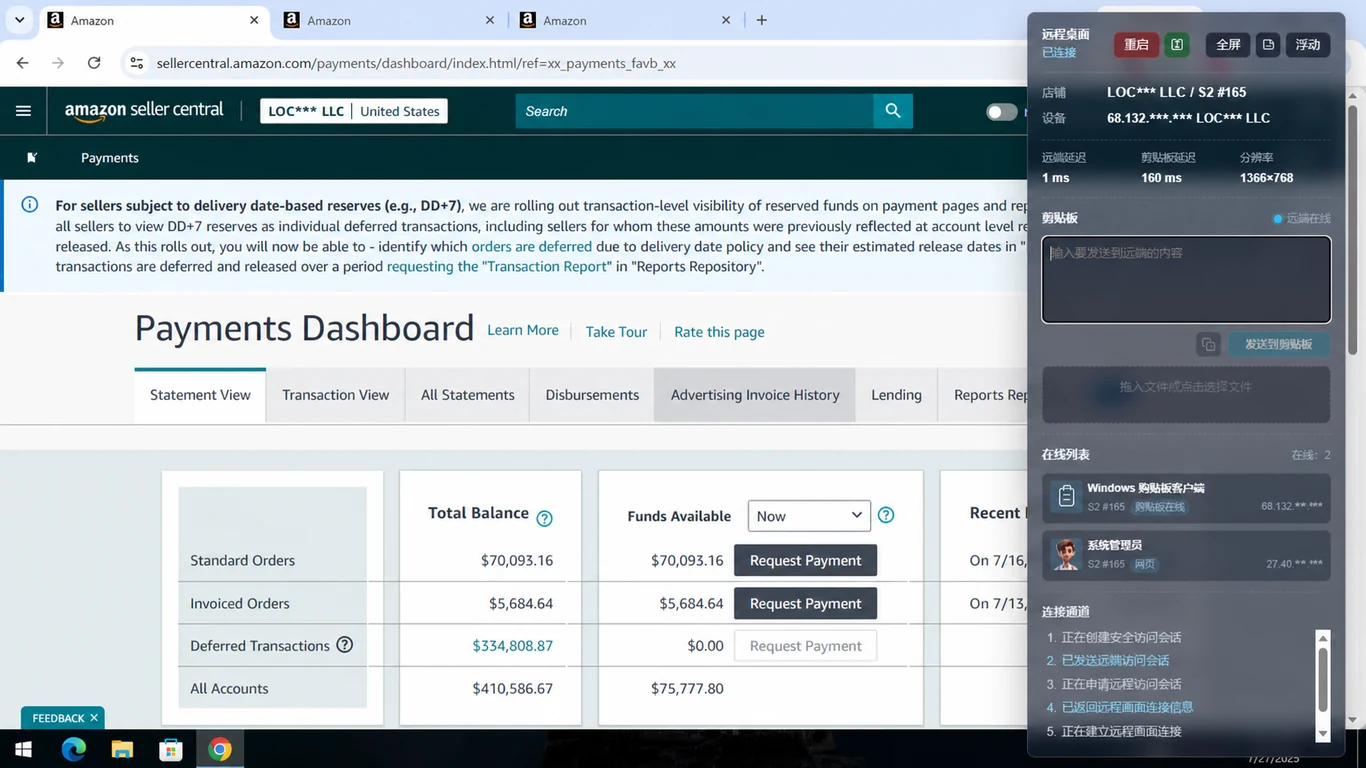
Isolated store operating environments
A separate operating-system environment for every store
Optional store environments run within separate operating-system or virtual-machine boundaries. Accounts, files, tools, and sessions are not reused across environments; browser-profile separation is only one control inside each environment. Team members enter only authorized store spaces through one controlled entry point.
- Optional dedicated U.S. Business Internet or Starlink connectivity
- These isolated store environments are used solely for authorized Amazon store operations. They are separate from the C2345 Video Publish TikTok authorization and publishing workflow and are not used to alter or conceal a TikTok user's location or to circumvent any third-party platform's regional restrictions.
- Role-based access with access and action records
- Remote desktop, clipboard, and controlled file transfer support
Demo data is anonymized
Core operating capabilities
One operating definition for daily business management
Integrated SKU management
Manage pricing, profitability, sales, traffic, advertising, inventory, listings, and operating history around each SKU.
Connected FBA inbound
Connect replenishment, placement, shipments, appointments, logistics, documents, and receiving progress to reduce repetitive work.
Advertising management
Manage campaigns, ad groups, keywords, product targets, budgets, bids, and performance data in one place.
Also included
Product research
Orders and finance
Listings and product content
Business reporting
Inventory and replenishment
Customer stories
How Amazon sellers use SellerOS to improve operating efficiency and business performance.

Ming Zhang
Cross-border ecommerce founder
I used to spend two or three hours a day reconciling sales and inventory. Now the key metrics are in one console, and replenishment alerts have helped us avoid several costly stockouts.



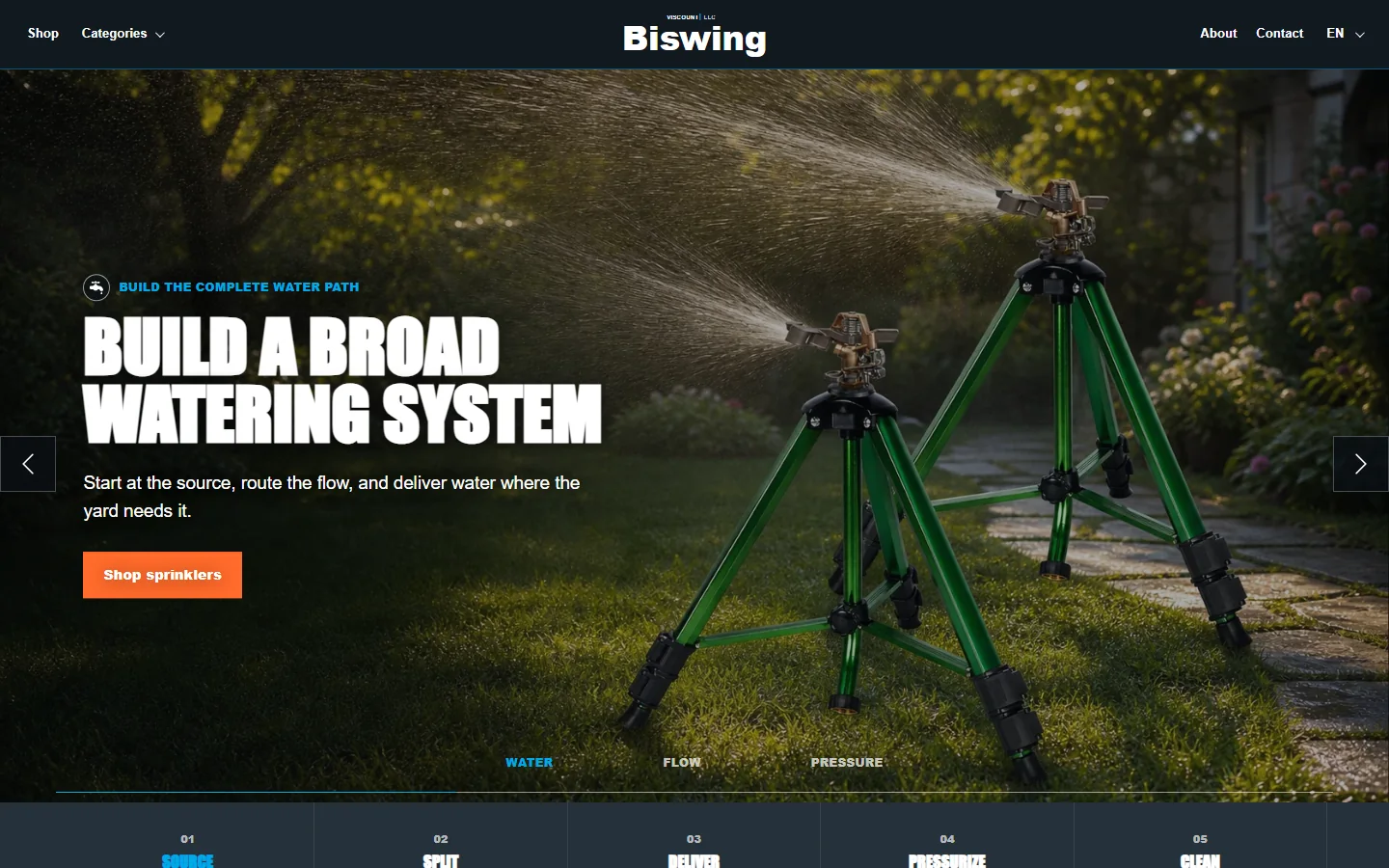
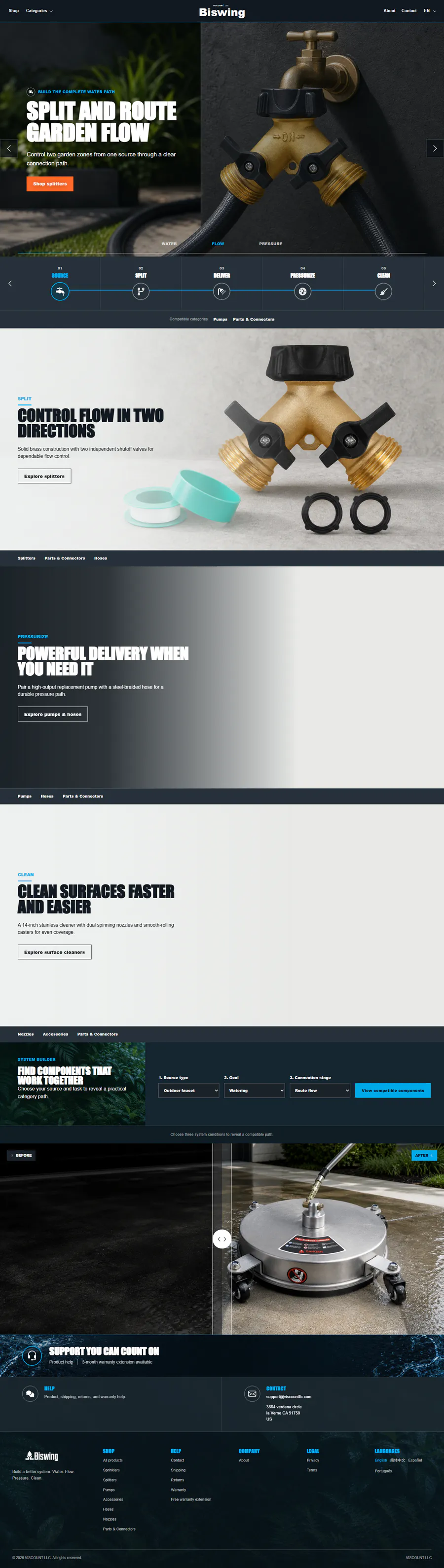
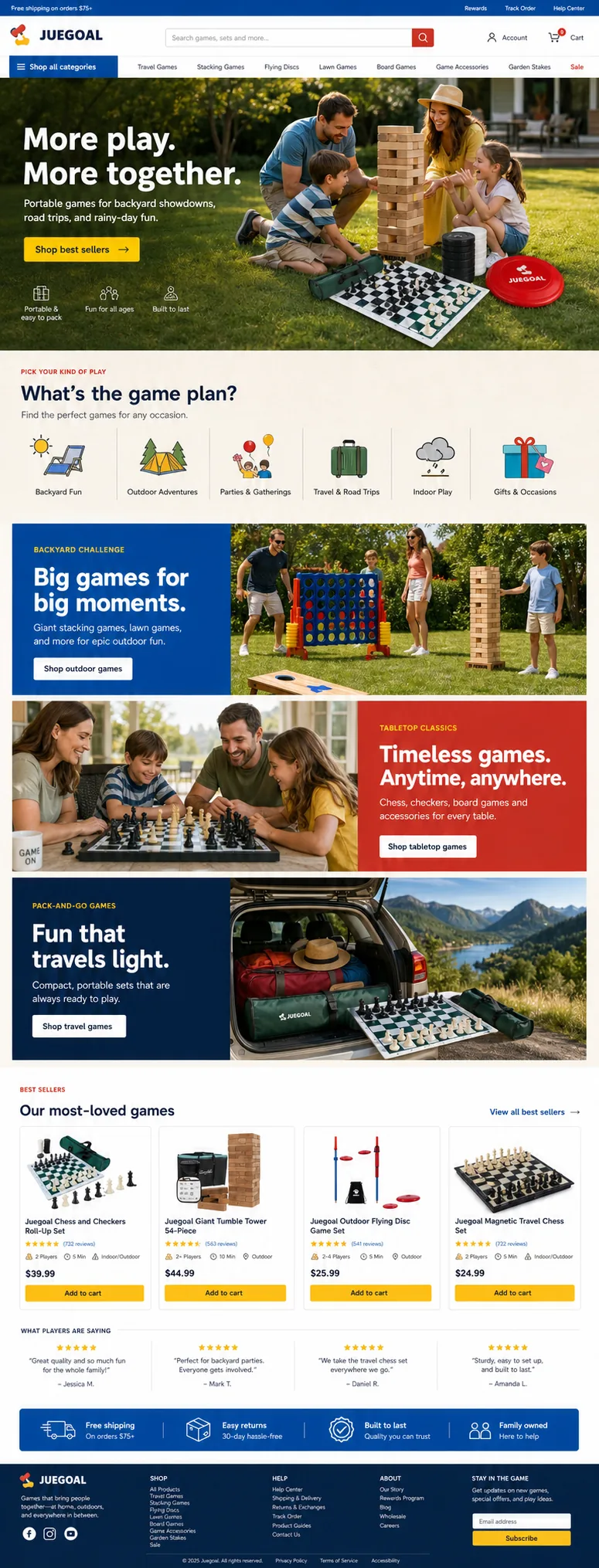
Native brand storefronts
Designed around the product and category,
not assembled from a standard template
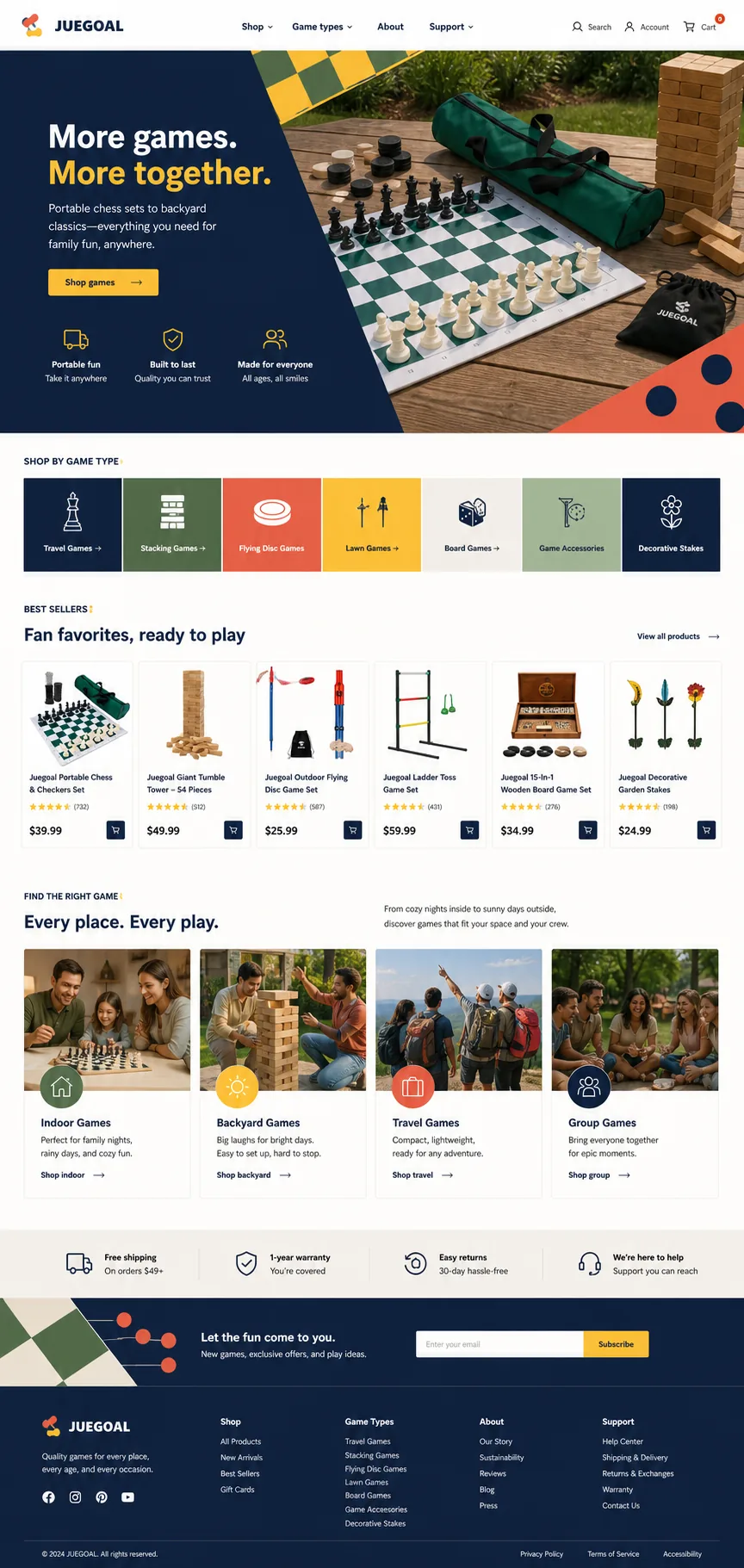
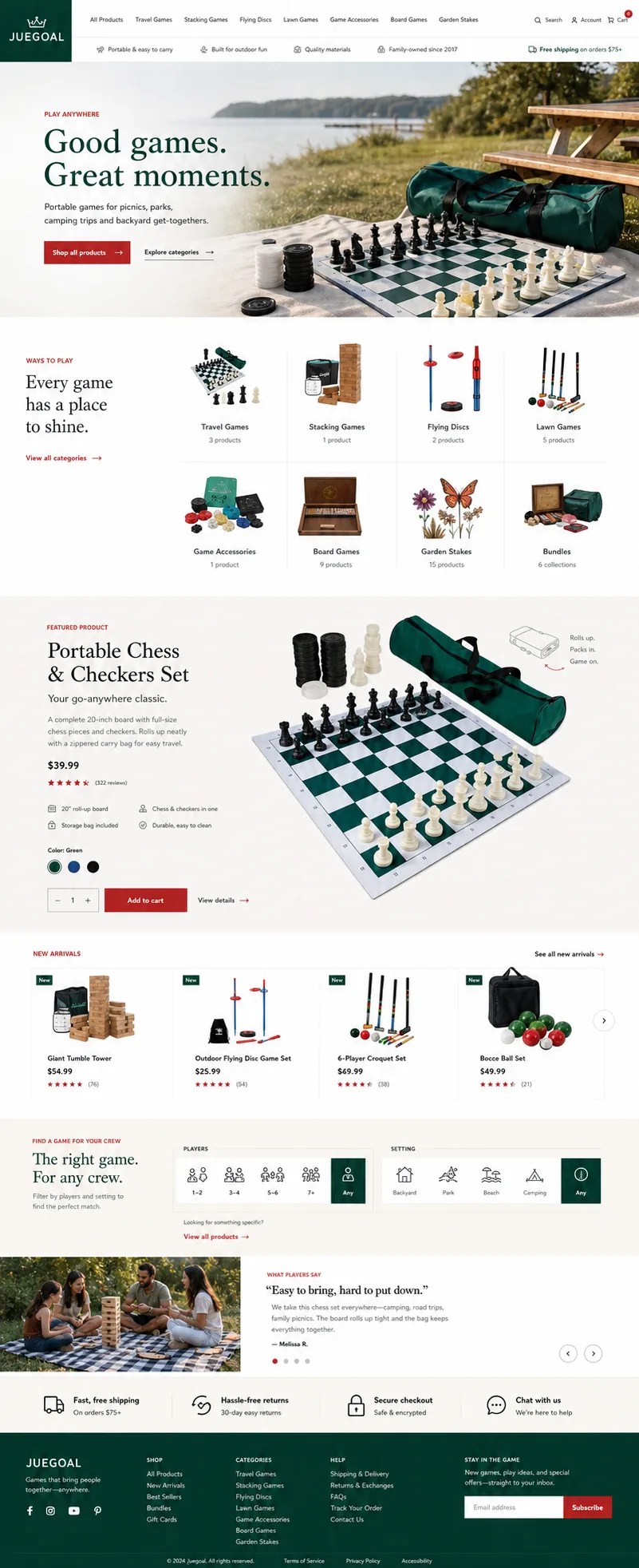
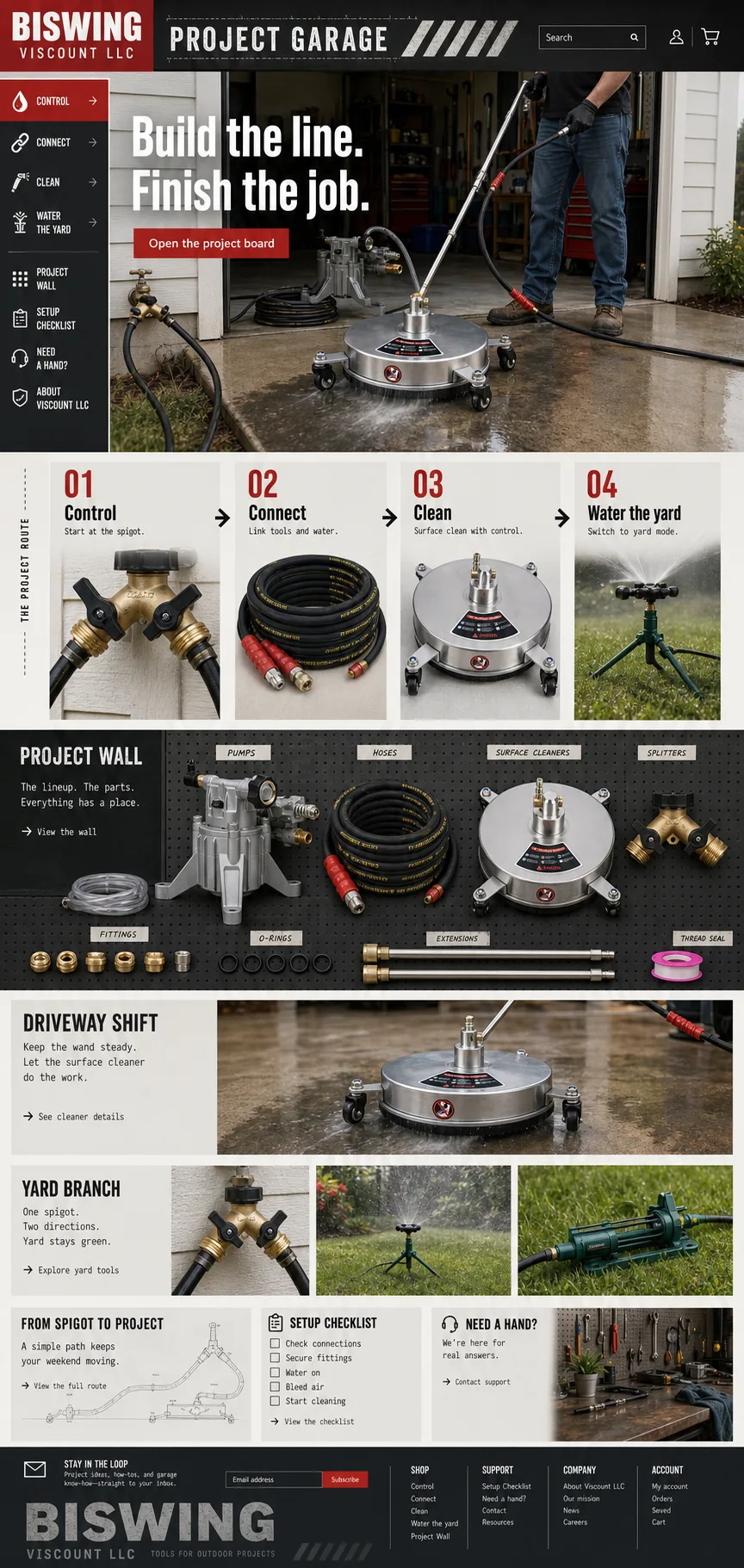
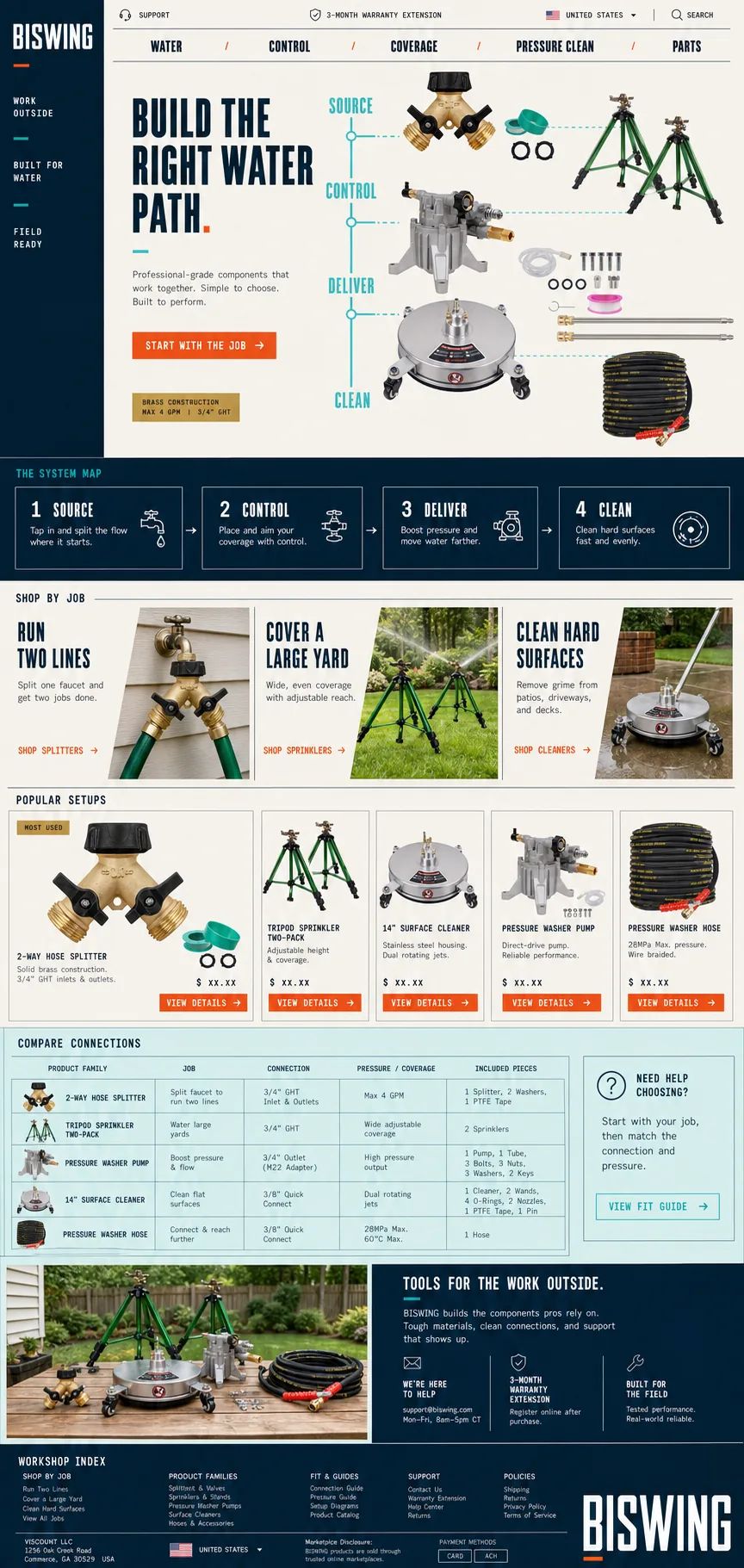
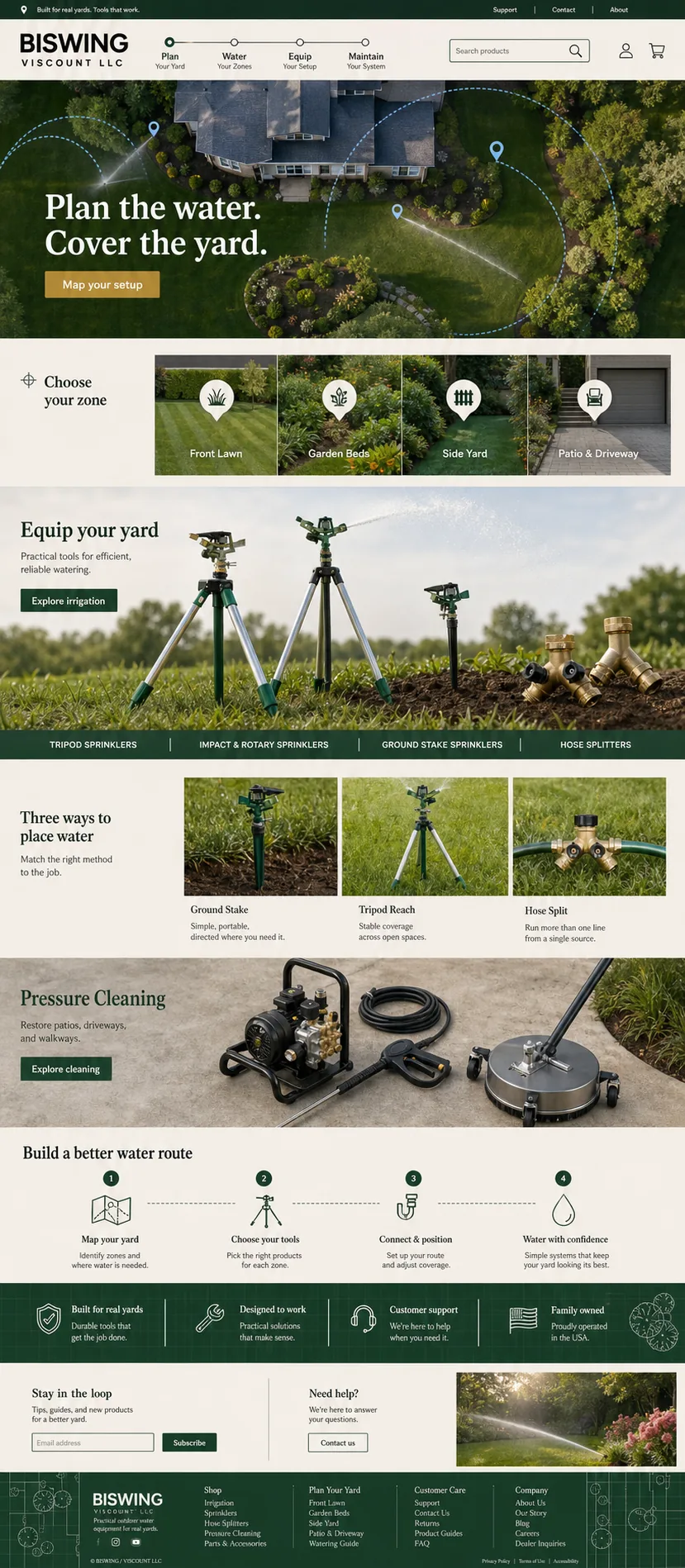
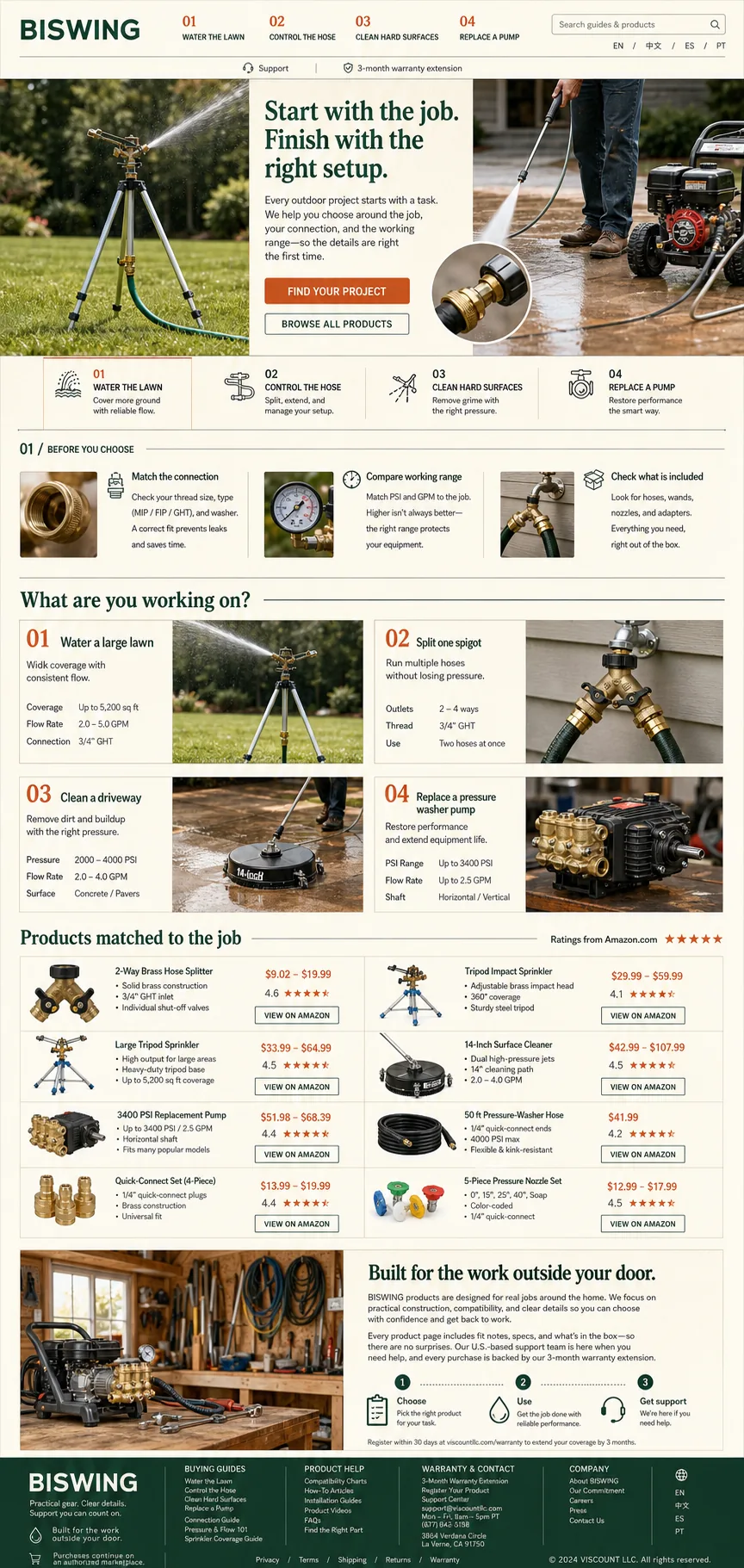
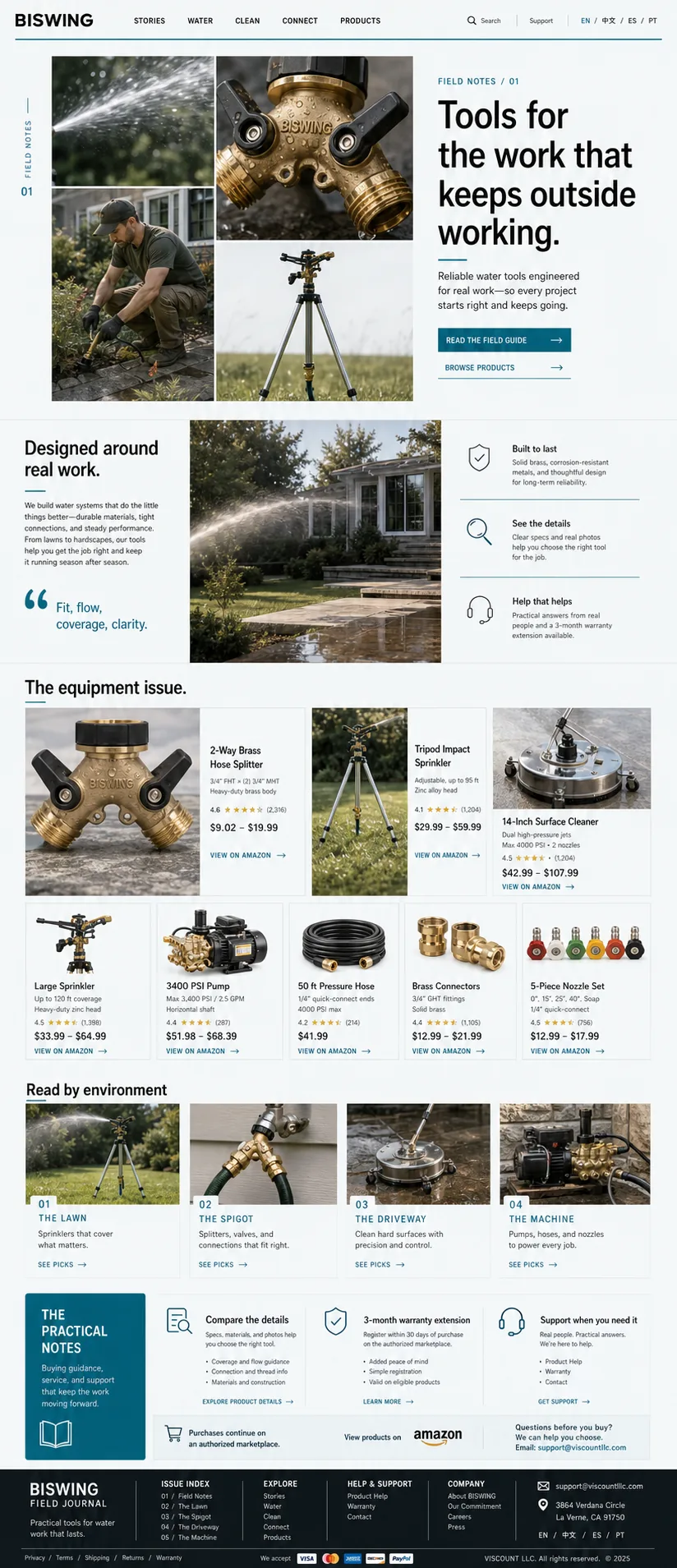
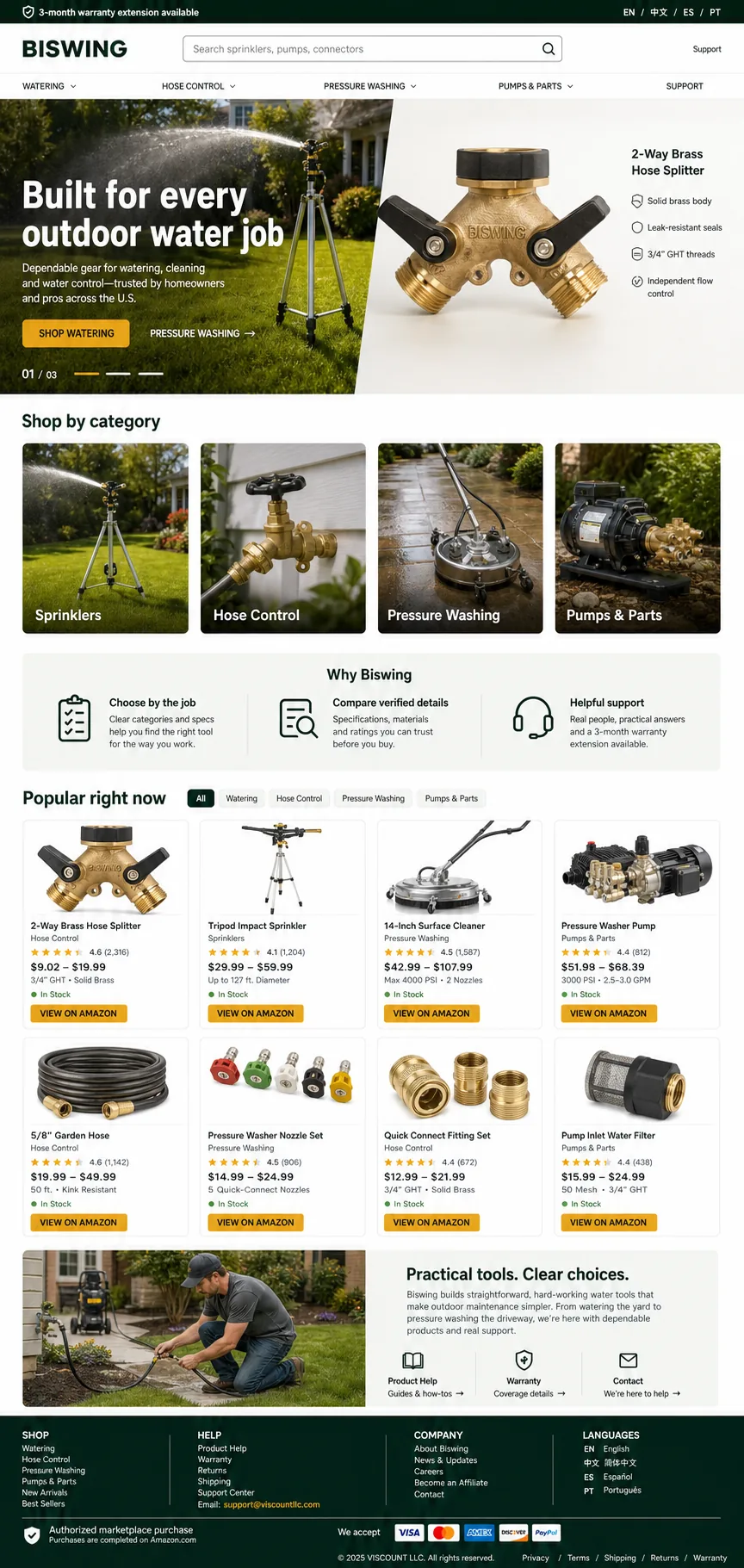
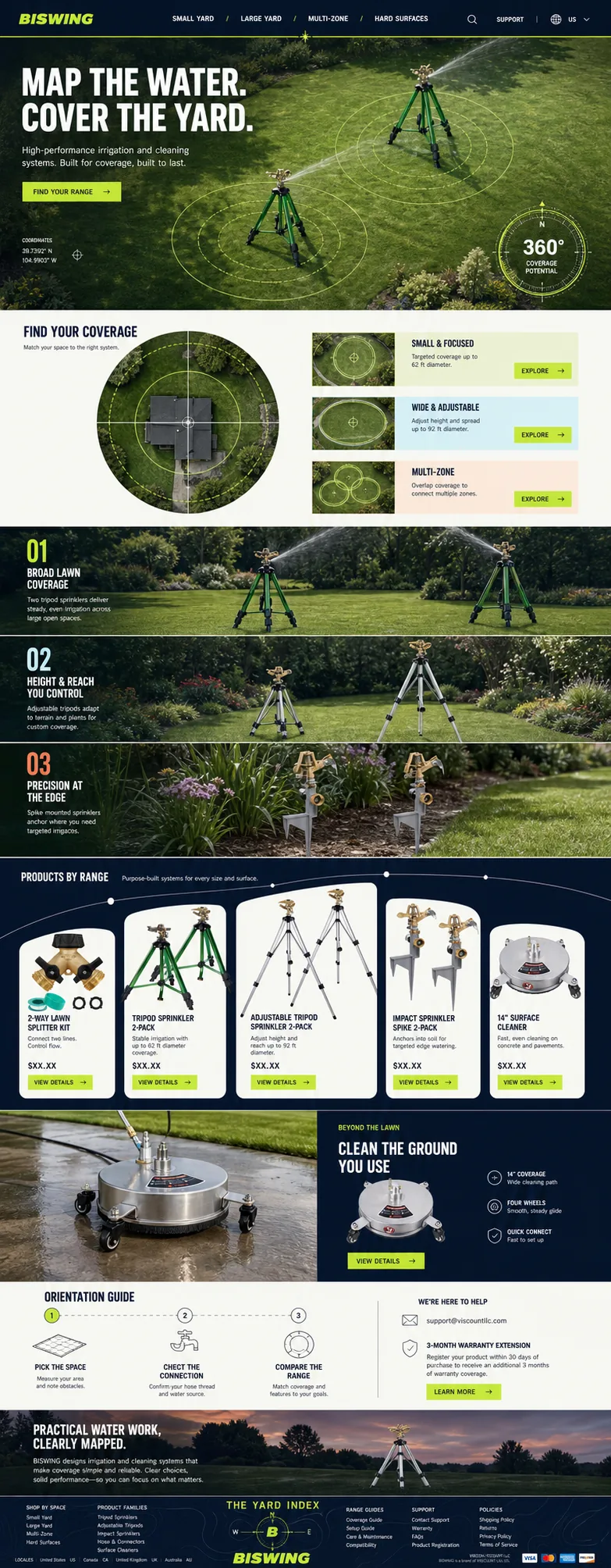
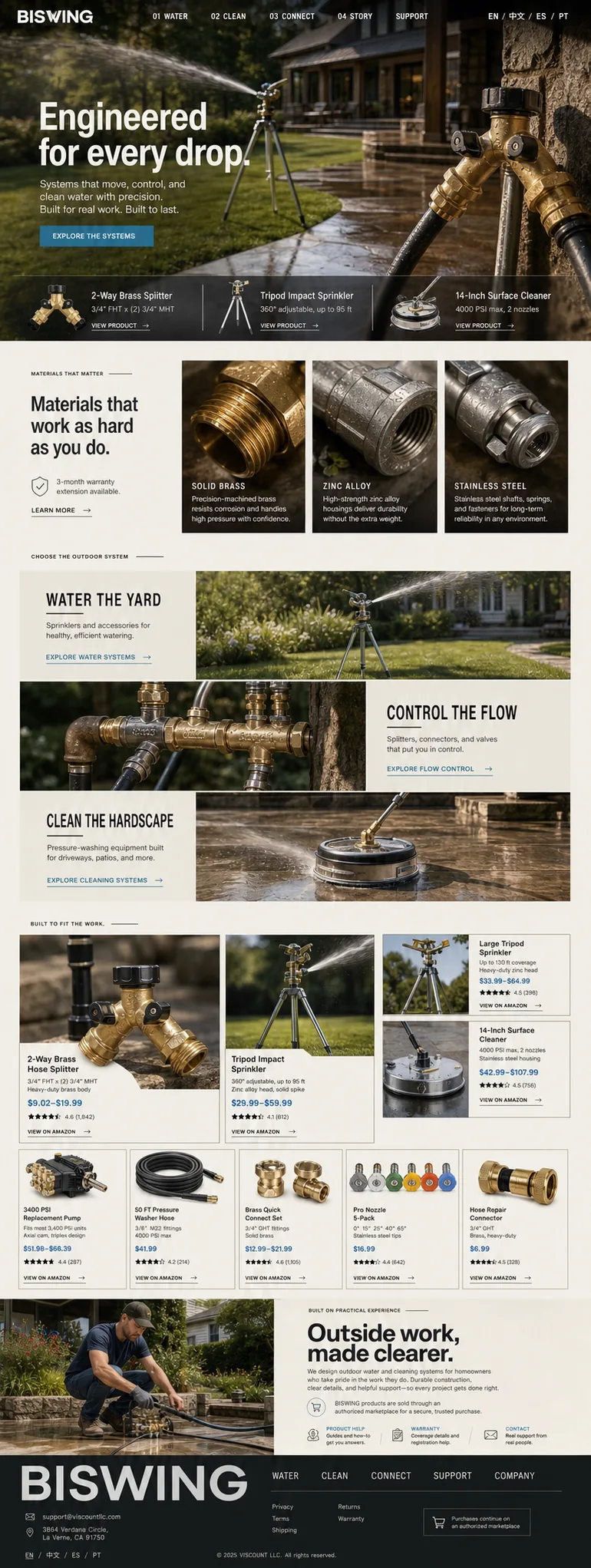
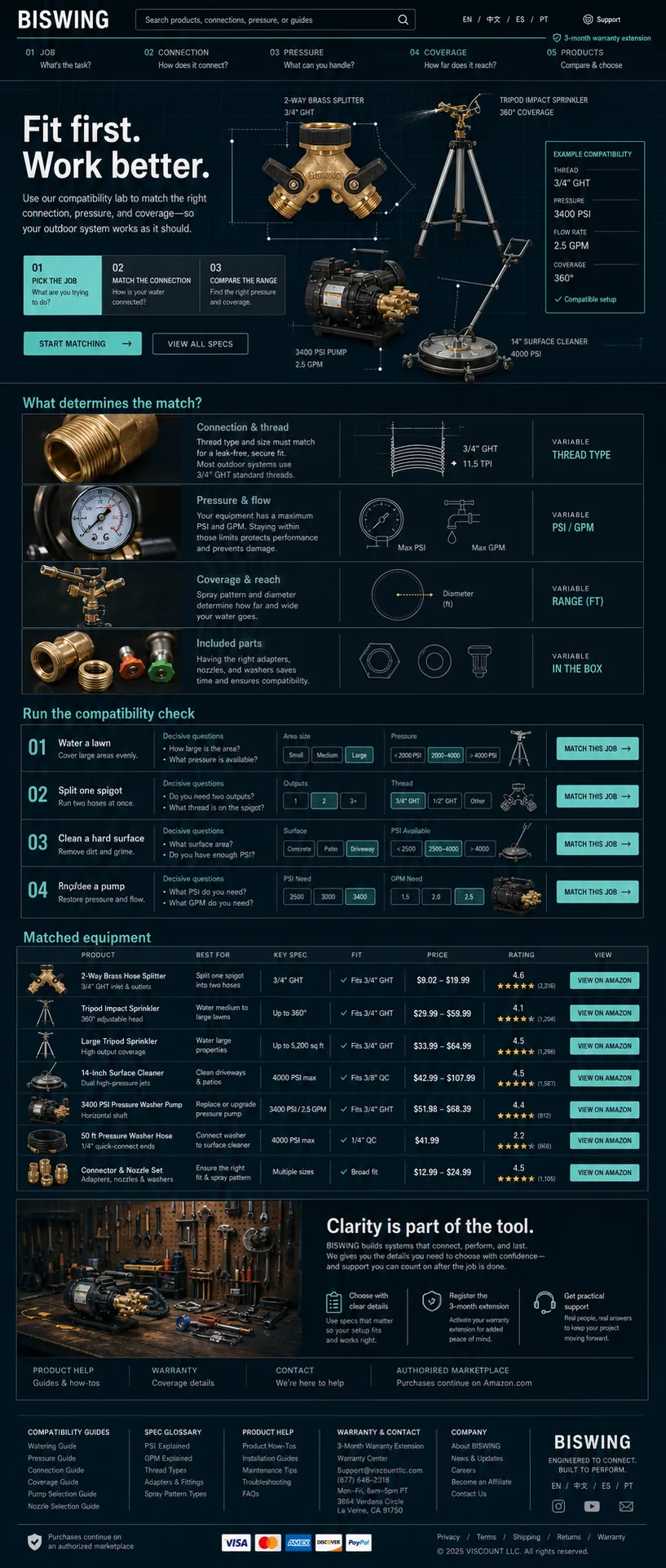
SellerOS uses category, brand positioning, product attributes, images, and video to create an information architecture, page structure, content system, and visual language suited to each product. Every brand receives a distinct presentation and experience.
Storefronts support branded domains, multilingual content, cart and checkout, version management, and synchronization with Amazon products, variants, inventory, and availability.










MULTI-PLATFORM VIDEO WORKFLOW
C2345 Video Publish
Product video creation and multi-platform publishing
Create product-use, feature-introduction, and promotional videos from SKU product data and user-selected image and video assets, with editable titles, descriptions, and keywords.
Add confirmed videos to YouTube, Instagram, and TikTok publishing queues, then track upload and processing progress, publishing results, public links, and available metrics returned by each platform.
View complete features and platform rulesDATA SOURCES · COMPLIANCE · SECURITY
Smarter operations require clear data boundaries
Authorized data sources
Amazon SP-API, Ads API, Brand Analytics, and business information actively provided by the user.
Purpose-limited processing
Process only the data required for enabled features and never sell seller data.
Access logging and audit
Grant least privilege by role and record material access and actions.
Isolation and lifecycle
Credential protection, data isolation, and lifecycle controls apply throughout the service.
Frequently asked questions
Questions sellers ask
before getting started
Managed operations, advertising, isolated store environments, data security, and onboarding.
How is SellerOS different from a standard Amazon management system?
Standard systems mainly display orders, inventory, and reports. SellerOS also connects operating analysis, plan approval, managed operations, advertising management, isolated store environments, and native brand storefronts.
Does managed operations change a store immediately?
SellerOS first prepares complete strategies and alternatives from sales, profit, advertising, inventory, pricing, listings, and history. It executes and tracks the selected plan only after user approval.
Does advertising management use the same rules for every ad group?
No. SellerOS creates an independent plan for each ad group based on profit, inventory, lifecycle, and promotion goals, including budget, bids, structure, and risk limits.
How do multi-store teams prevent account and data mix-ups?
Optional store environments use operating-system or virtual-machine boundaries. Accounts, files, tools, and sessions are not reused across environments; browser-profile separation is only one control inside each environment. Team members enter only authorized store spaces, with optional dedicated U.S. Business Internet or Starlink connectivity. Isolated store environments serve authorized Amazon store operations only and do not participate in TikTok authorization or content publishing.
How does SellerOS protect Amazon data?
Amazon access uses official OAuth. SellerOS never receives the login password and handles authorized data under least-privilege, purpose-limitation, credential-protection, audit, and lifecycle controls.
How do I get started with SellerOS?
After you submit store and contact details, we verify the authorizing party and integration scope before sending the official Amazon authorization link.
Let SellerOS run operations while sellers focus on products and brands
Build a durable operating system across store operations, advertising, isolated environments, brand storefronts, and product video.
Get started